
Equal Participation
Equal participation in decision-making — within homes, communities, and institutions.
Our work is rooted in customary governance systems, collective leadership, social justice, and respect for indigenous knowledge and traditions.
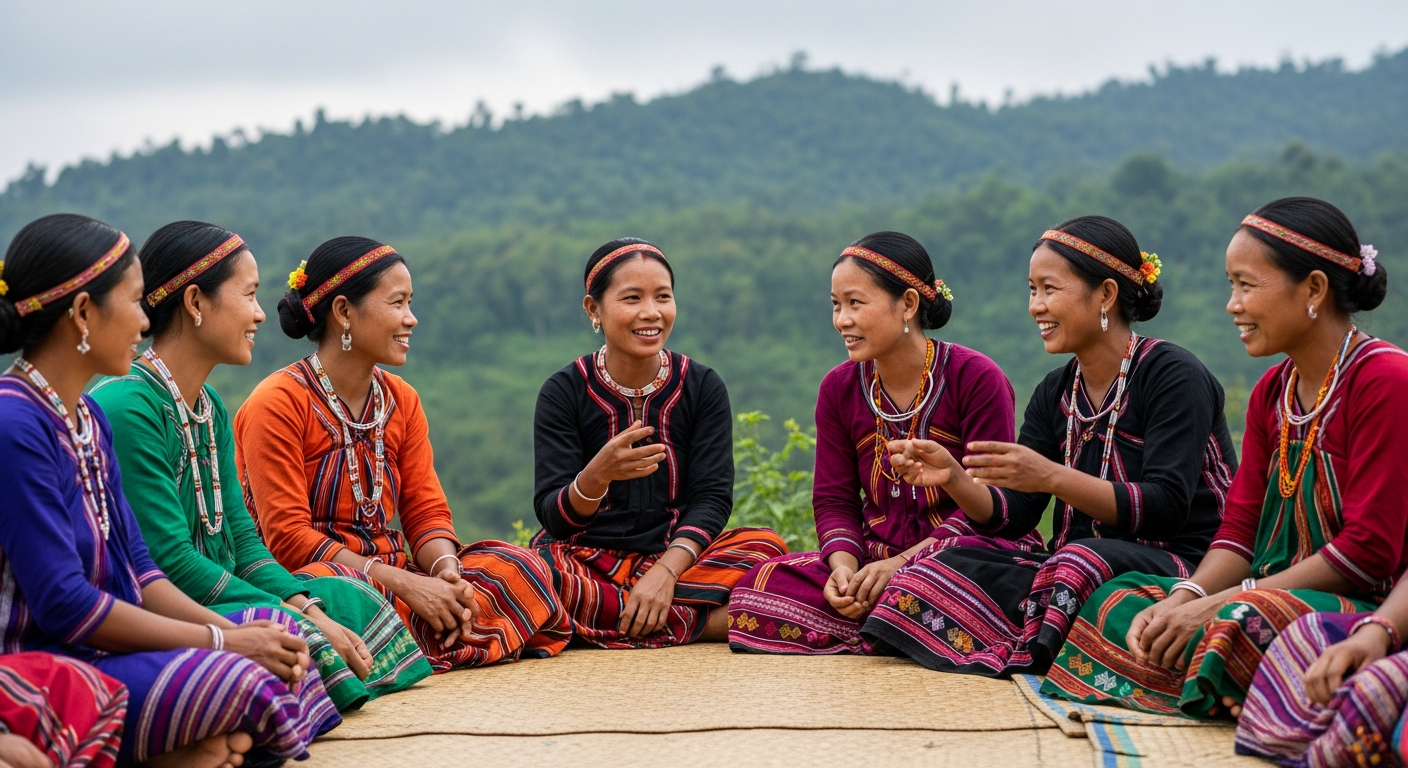
Indigenous peoples have the collective right to determine their social, cultural, economic, and political development according to their own values, traditions, and customary institutions.
The Network promotes meaningful participation of indigenous communities — especially women traditional leaders — in community governance, local decision-making, peacebuilding, and development processes. Through awareness, advocacy, and leadership strengthening, we support indigenous voices and representation at every level.
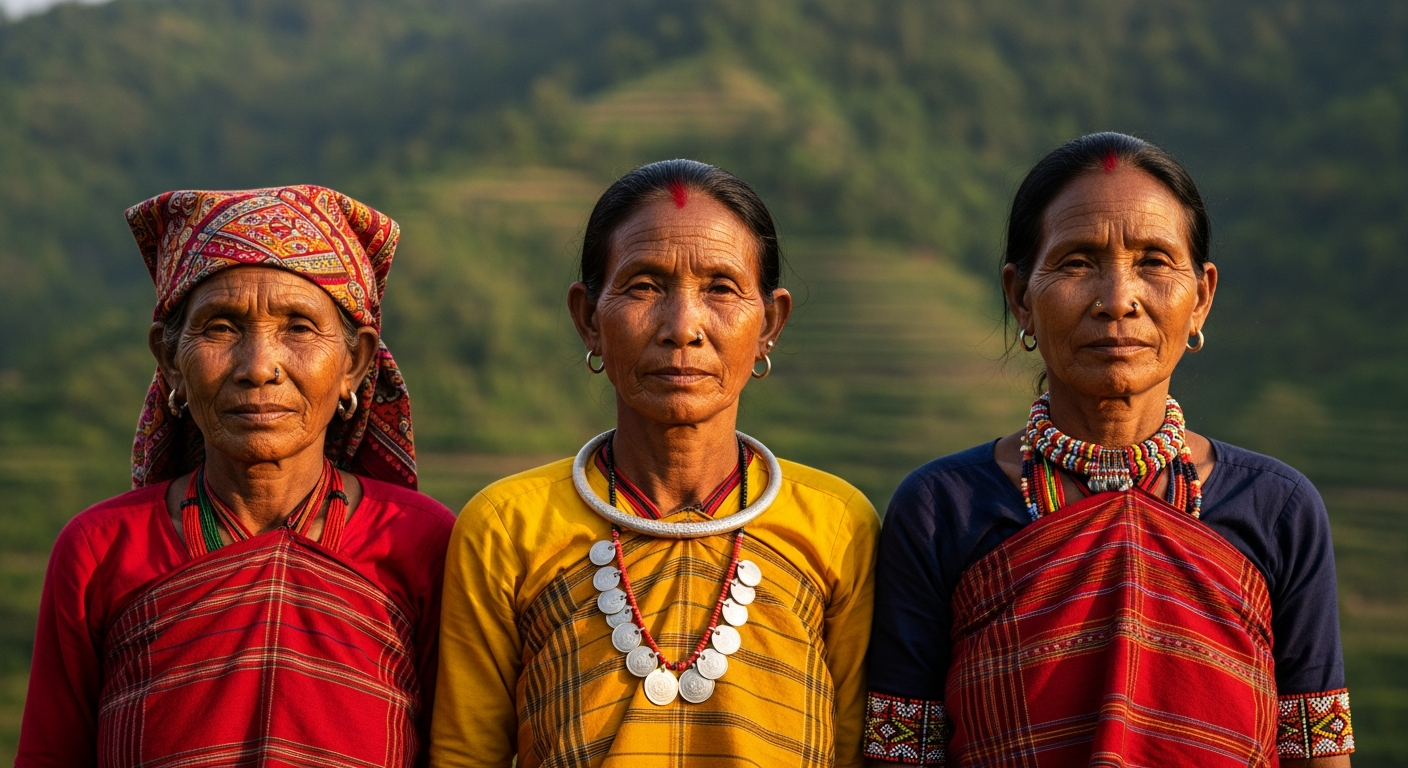
Indigenous women play a vital role in preserving culture, maintaining social harmony, protecting traditional knowledge, and supporting community development.
Despite these contributions, indigenous women often face social, economic, and institutional challenges that limit their participation in leadership. We work to empower indigenous women through leadership development, capacity-building, rights awareness, community engagement, and representation — promoting dignity, equality, and active participation.
We are committed to promoting and protecting the rights of indigenous women in accordance with human rights principles, indigenous customary values, and gender equality.
Equal participation in decision-making — within homes, communities, and institutions.
Protection from all forms of discrimination and violence affecting indigenous women and girls.
Access to education, justice, and economic opportunities for all indigenous women.
Formal recognition of women's leadership roles within traditional institutions and beyond.
Building social and economic empowerment pathways for indigenous women across communities.
Awareness campaigns, dialogues, and training that encourage inclusive community practices.

From local governance to national platforms.
Indigenous women must be included in policy discussions and decision-making processes that affect their communities, lands, culture, and future generations.
The Network strengthens representation of women traditional leaders in local governance, community institutions, civil society platforms, and development planning. By building leadership skills and creating opportunities for dialogue, we encourage active participation of indigenous women in policy advocacy.

Indigenous communities have long maintained a close relationship with nature and traditional environmental practices that contribute to biodiversity conservation.
We recognize the important role of indigenous women in protecting forests, natural resources, traditional agriculture, water sources, and ecological knowledge. The Network promotes environmental awareness, sustainable community practices, and the preservation of indigenous knowledge related to biodiversity.
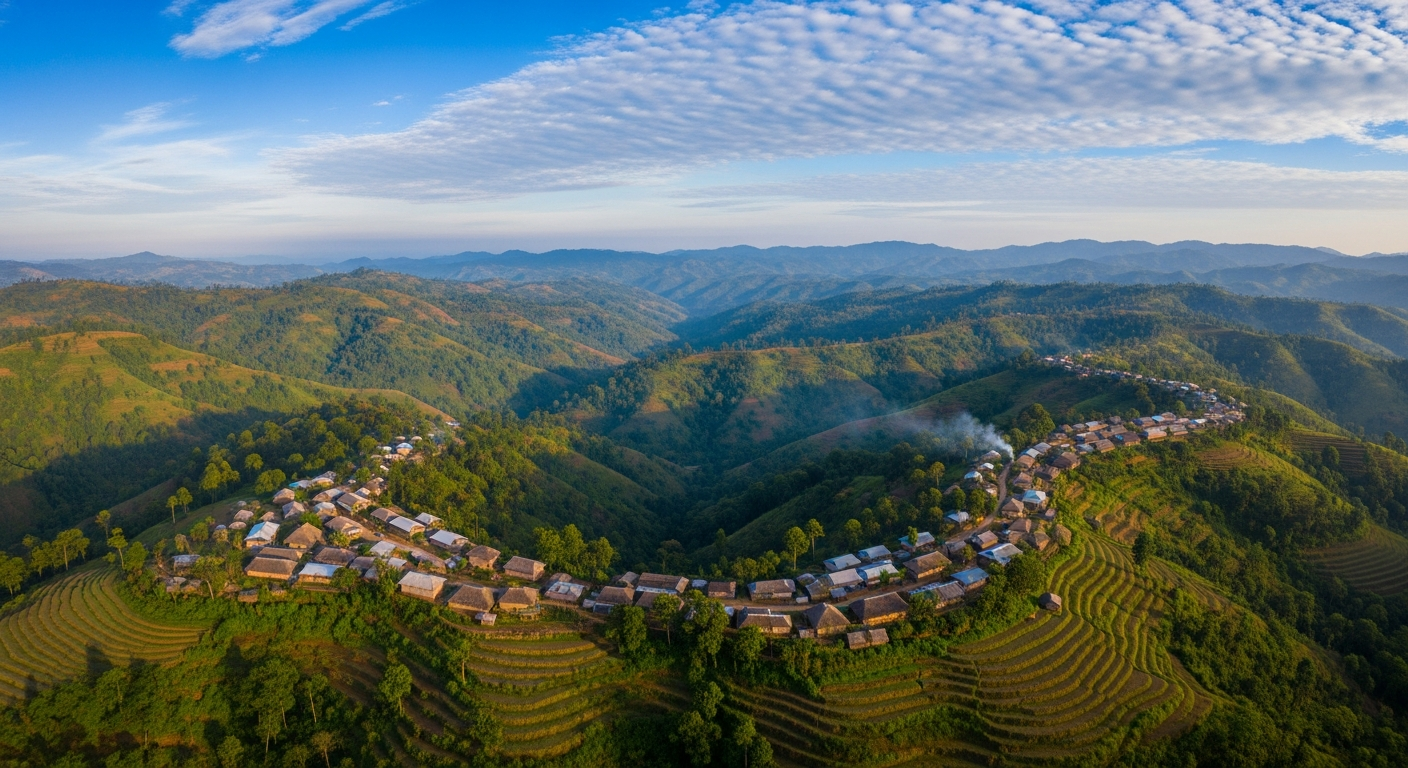
Customary and statutory frameworks working together.
We work to defend and advance indigenous women's rights to land and property — supporting legal literacy, documentation of customary rights, and advocacy within both traditional and statutory systems.
Our approach is rooted in customary governance systems, collective leadership, social justice, and respect for indigenous knowledge and traditions.
Eight community-led programmes built on these five pillars.